
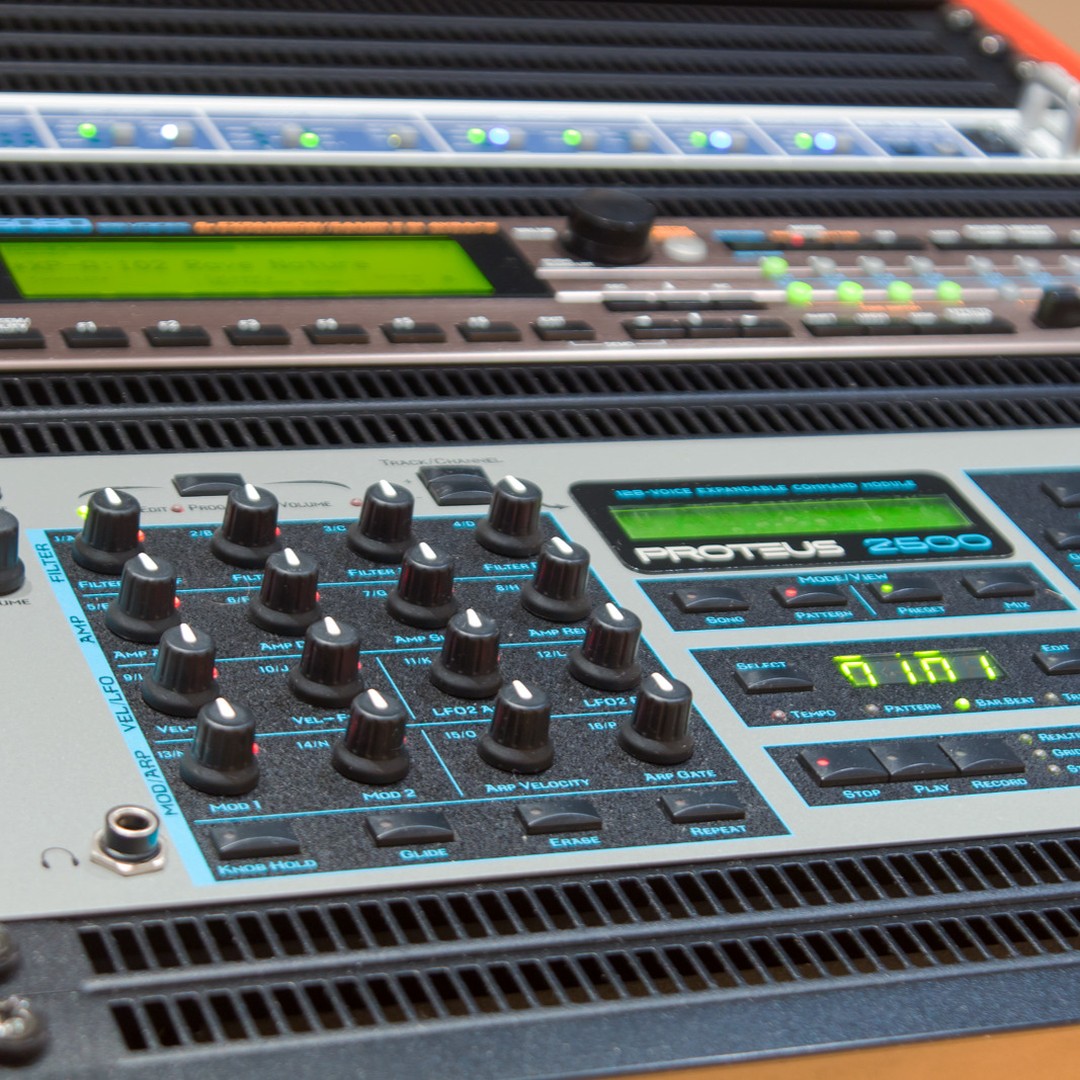
I’ve been playing this synth since 2003. The owner of the store where I bought it said, “Aivaras, you’ll keep it for a few years and sell it because it will be outdated by then.” He’d be happy to learn he was wrong! 20 years have passed, and I’m still fascinated by this instrument. The E-MU Proteus 2500 generates sound by using audio samples, which are small segments of actual recordings, say, of a real drum, an analog synth, or some acoustic event. It then constructs, out of those tiny recordings, timbres suitable for music-making […]
Read MoreAuthor: Aivaras
Roland XV-5080
I acquired this synth around the same time as the E-MU Proteus 2500 and have been enjoying it immensely for over two decades now. Technologically, the Roland XV-5080 is similar to the Proteus in that it, too, uses audio samples, called PCM waveforms, for sound generation and synthesis. However, it does so in its own unique way […]
Read MoreE-MU Proteus 2500
I’ve been playing this synth since 2003. The E-MU Proteus 2500 generates sound by using audio samples, which are small segments of actual recordings, say, of a real drum, an analog synth, or some acoustic event. It then constructs, out of those tiny recordings, timbres suitable for music-making […]
Read MoreDaiva Tamošaitytė, “Aivaras Stepukonis: I Am a Melodist,” Bernardinai.lt, May 18, 2010
This is your third album. The first two were in Lithuanian, except for a few songs. I especially remember the great remake of “Takeshi – Big in Japan.” Overall, listening to this new work of yours, I am pleasantly surprised by its high professional level—both the vocals and the technical quality of the recording […]
Read MoreDovydas Bluvšteinas, “Aivaras, ‘Sage & Fool,’” Gramofonas.lt, May 17, 2010
Unlike most pop music albums released in Lithuania, Sage & Fool is not a random patchwork of songs accumulated over a long period of time, but a conceptual and cohesive work […]
Read More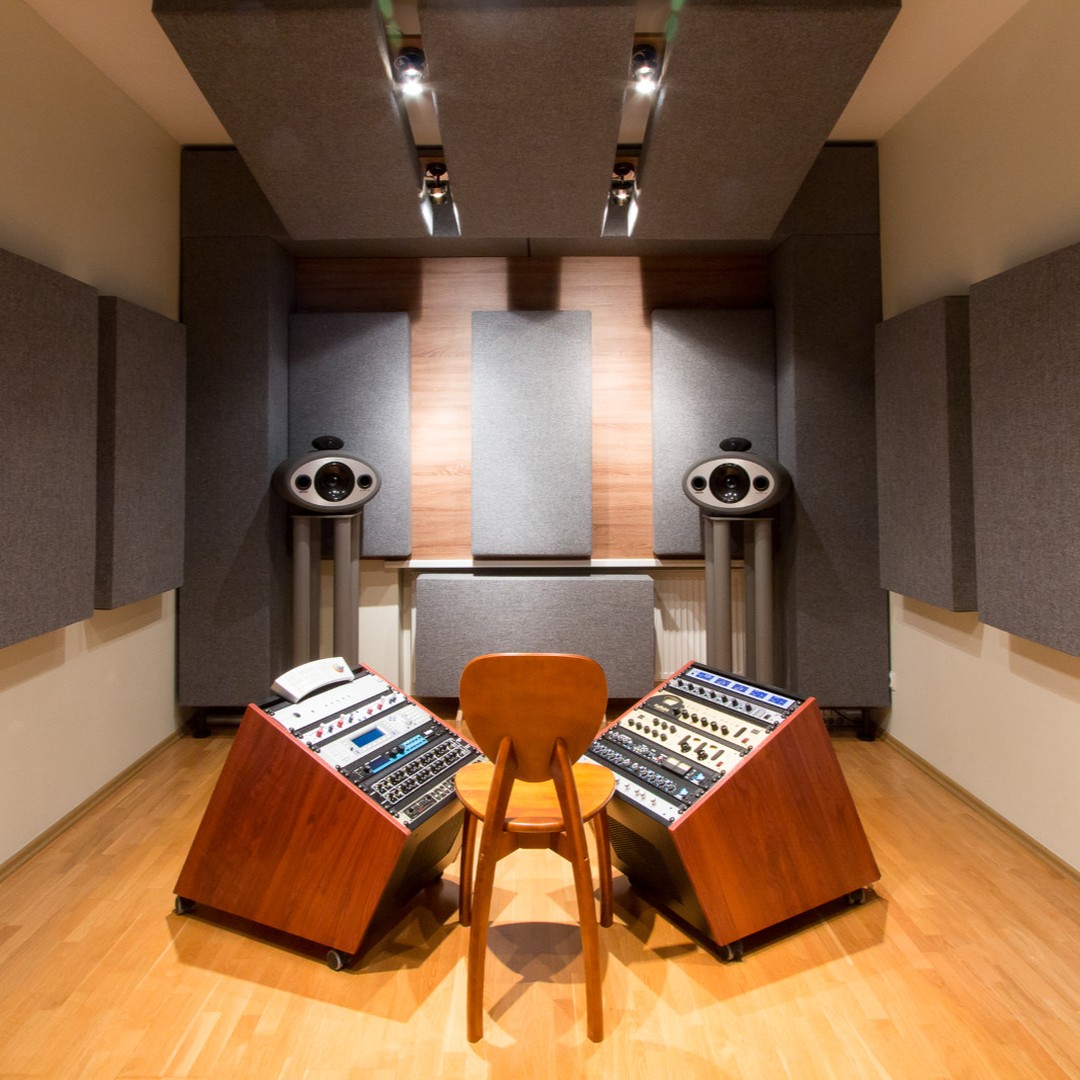

Welcome to Garsų menė, a recording studio of mine! Please stop by at https://www.garsumene.lt. Photography by Paulius Plukas
3 years ago
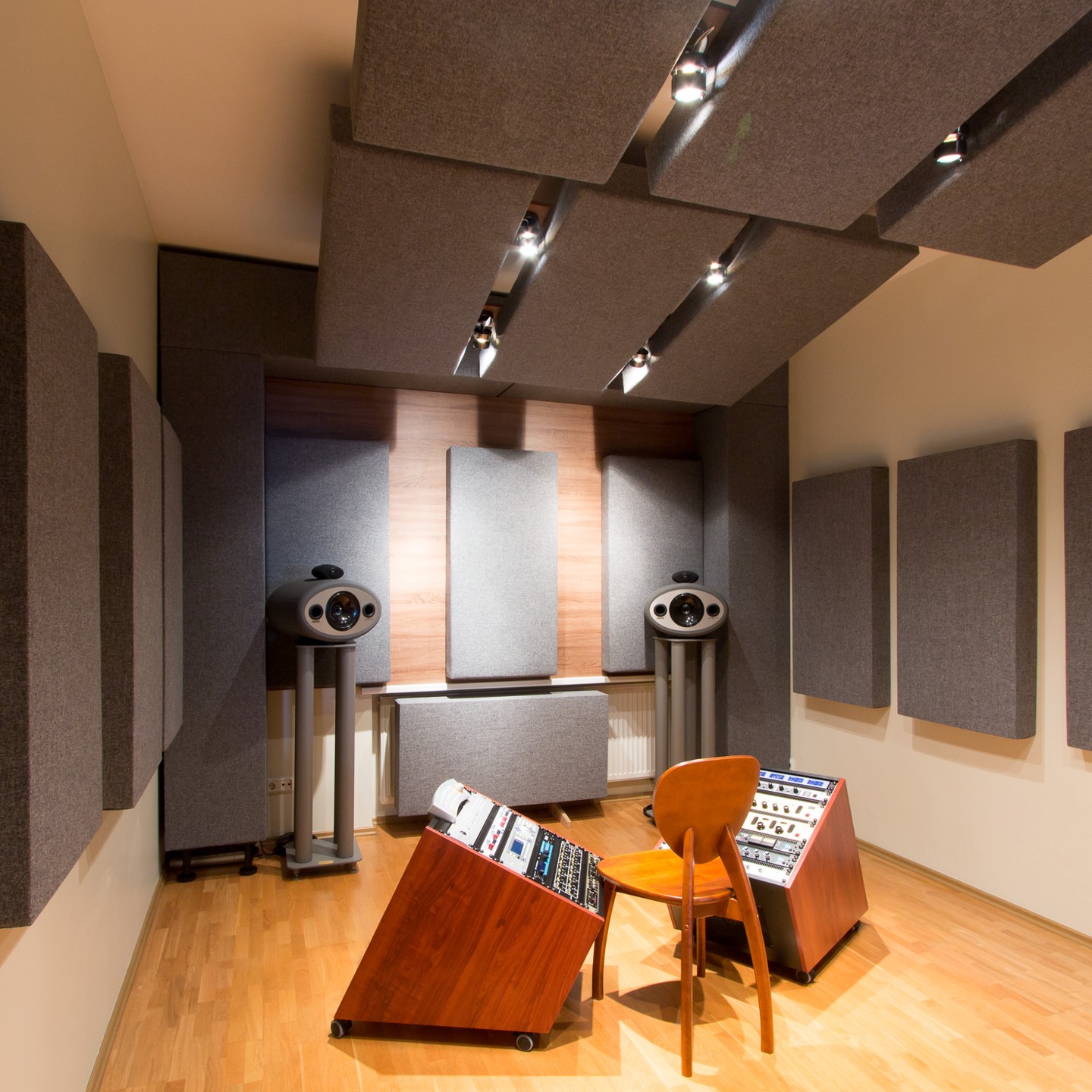
Welcome to Garsų menė, a recording studio of mine! Please stop by at https://www.garsumene.lt. Photography by Paulius Plukas
3 years ago
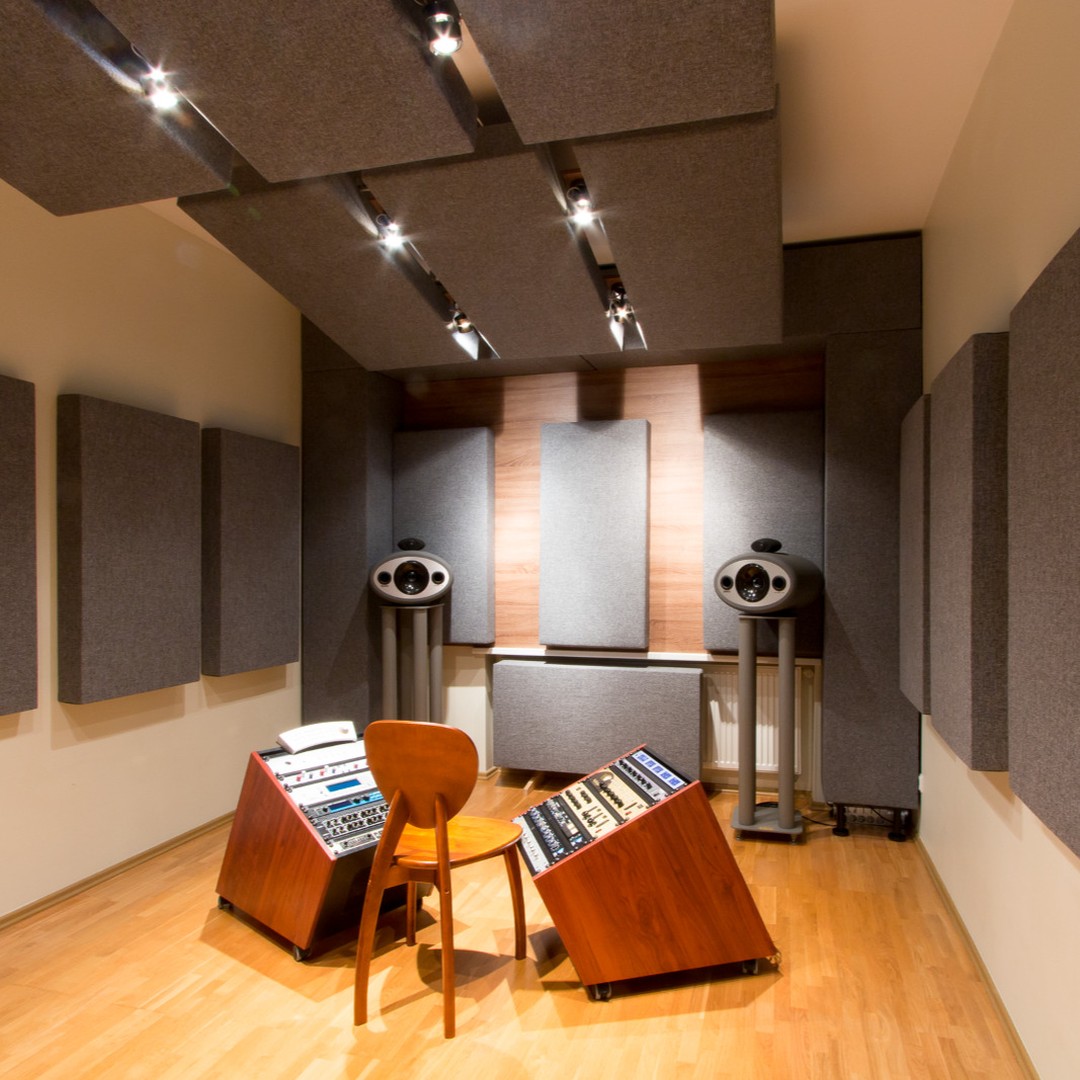
Welcome to Garsų menė, a recording studio of mine! Please stop by at https://www.garsumene.lt. Photography by Paulius Plukas
3 years ago
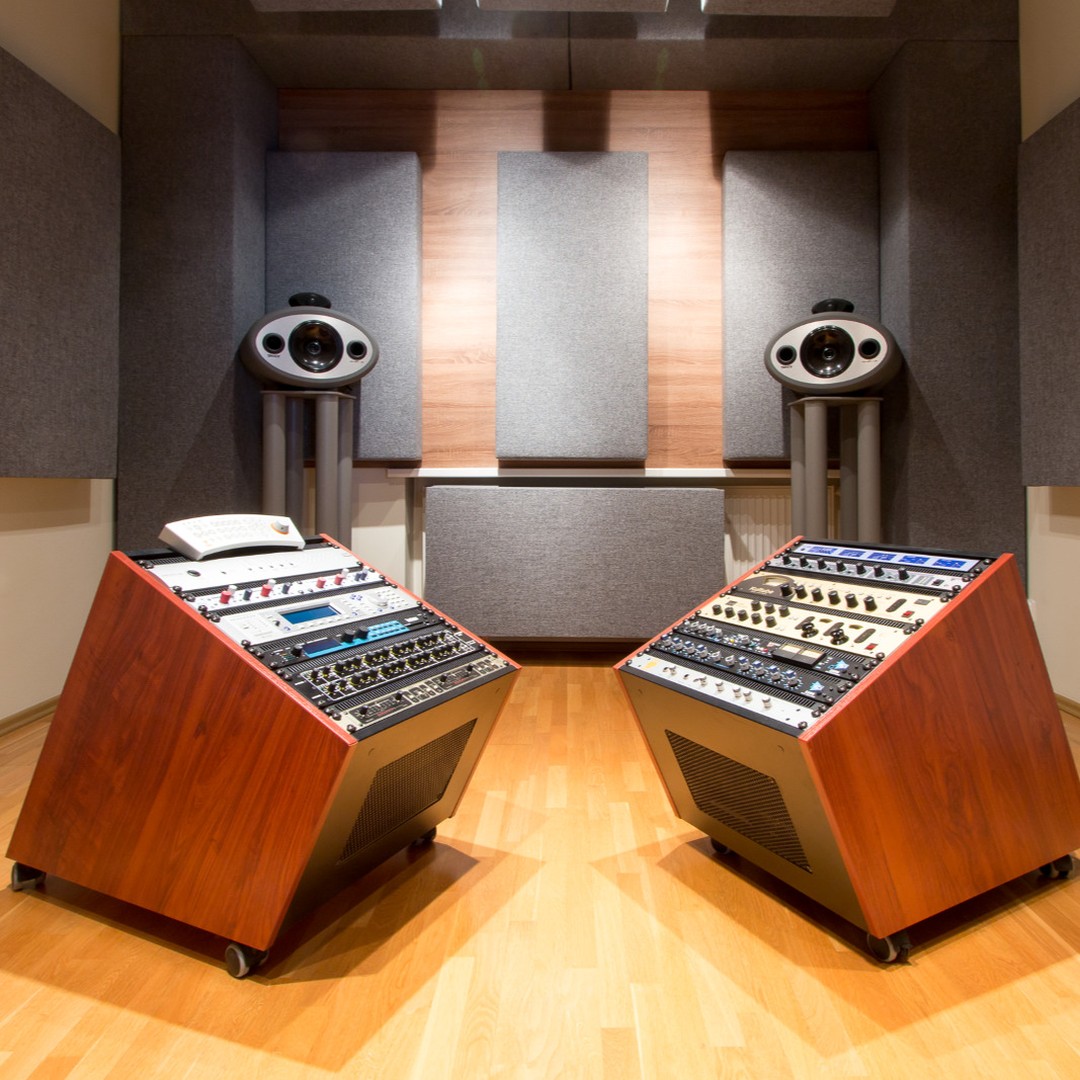
Welcome to Garsų menė, a recording studio of mine! Please stop by at https://www.garsumene.lt. Photography by Paulius Plukas
3 years ago
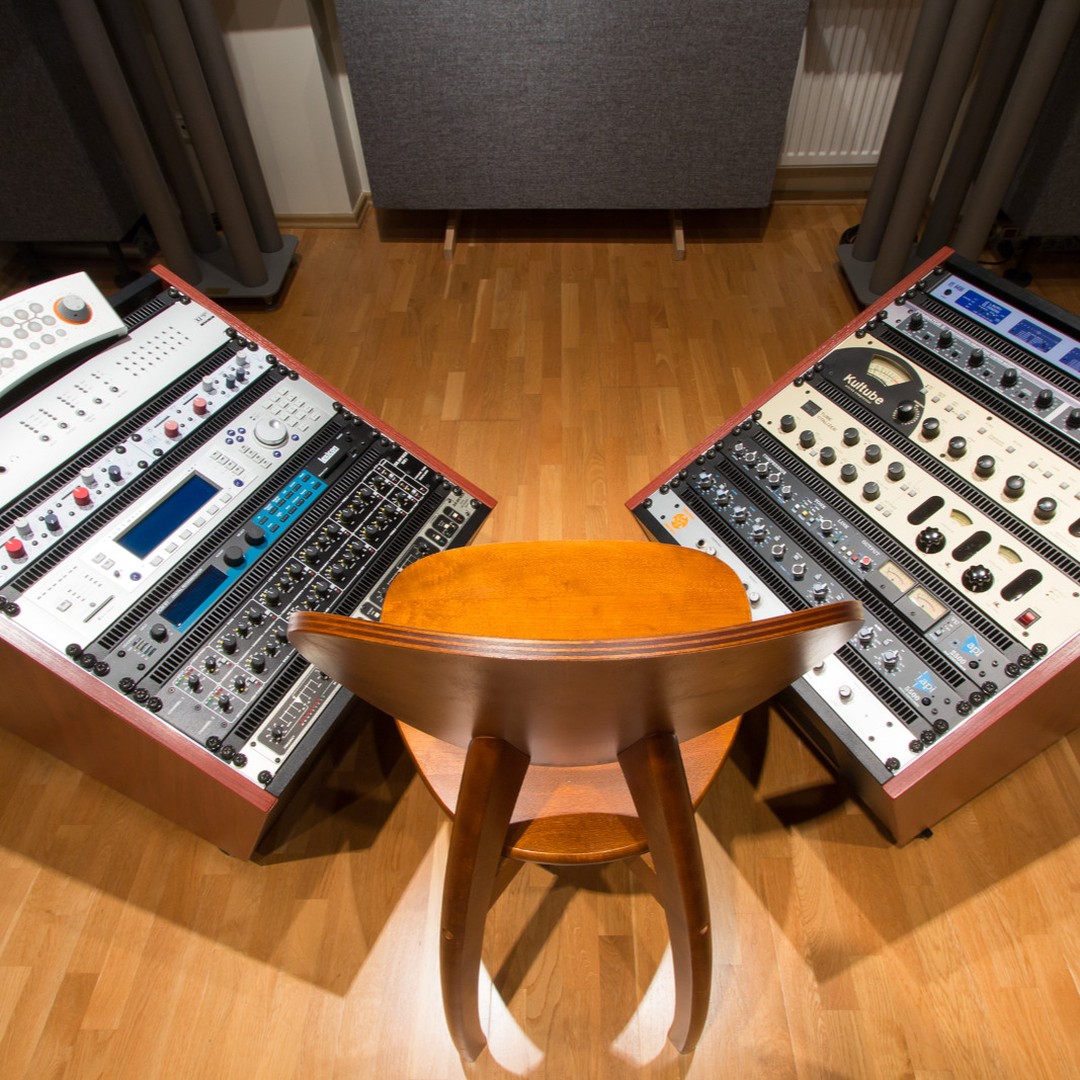
Welcome to Garsų menė, a recording studio of mine! Please stop by at https://www.garsumene.lt. Photography by Paulius Plukas
3 years ago
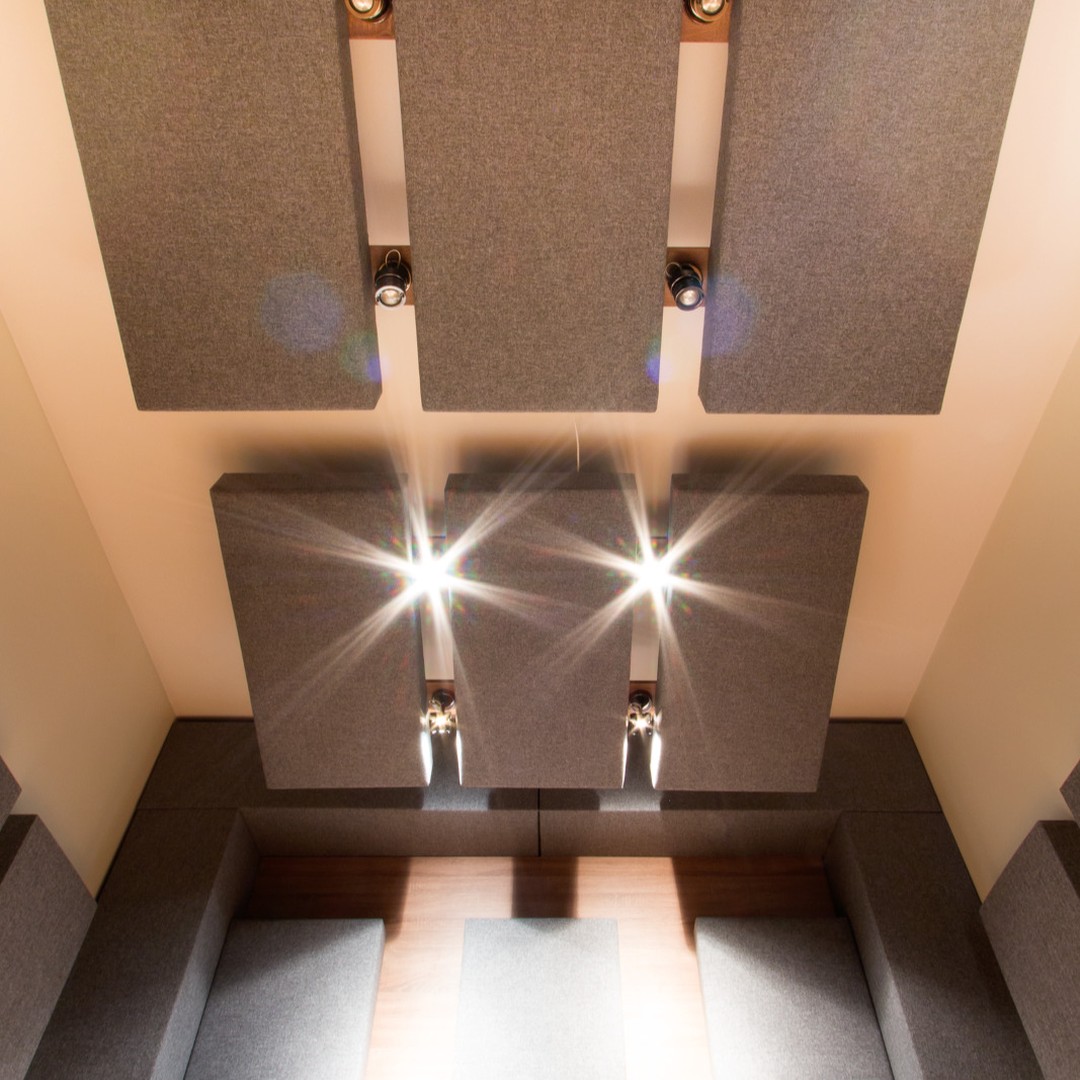
Welcome to Garsų menė, a recording studio of mine! Please stop by at https://www.garsumene.lt. Photography by Paulius Plukas
3 years ago
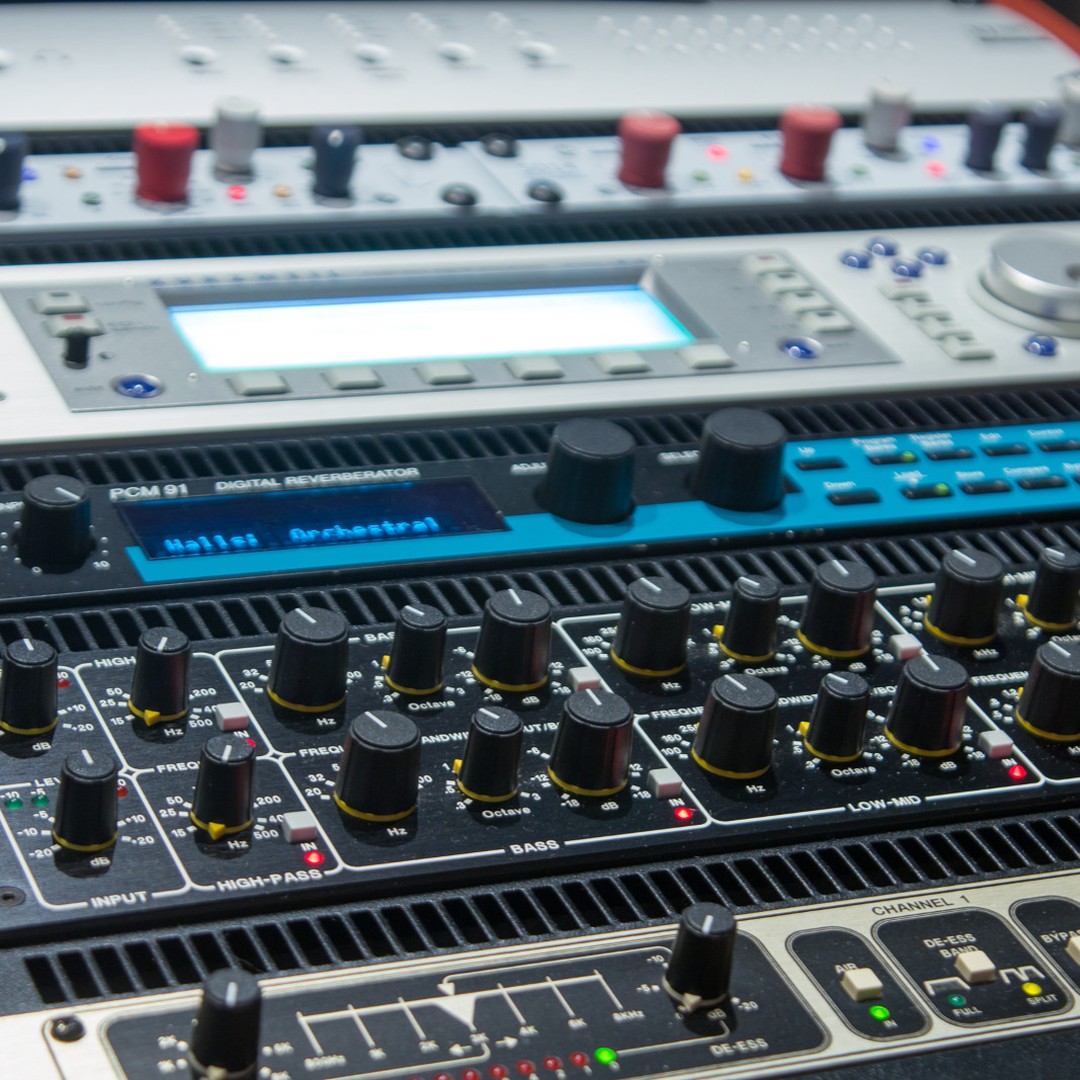
Welcome to Garsų menė, a recording studio of mine! Please stop by at https://www.garsumene.lt. Photography by Paulius Plukas
3 years ago
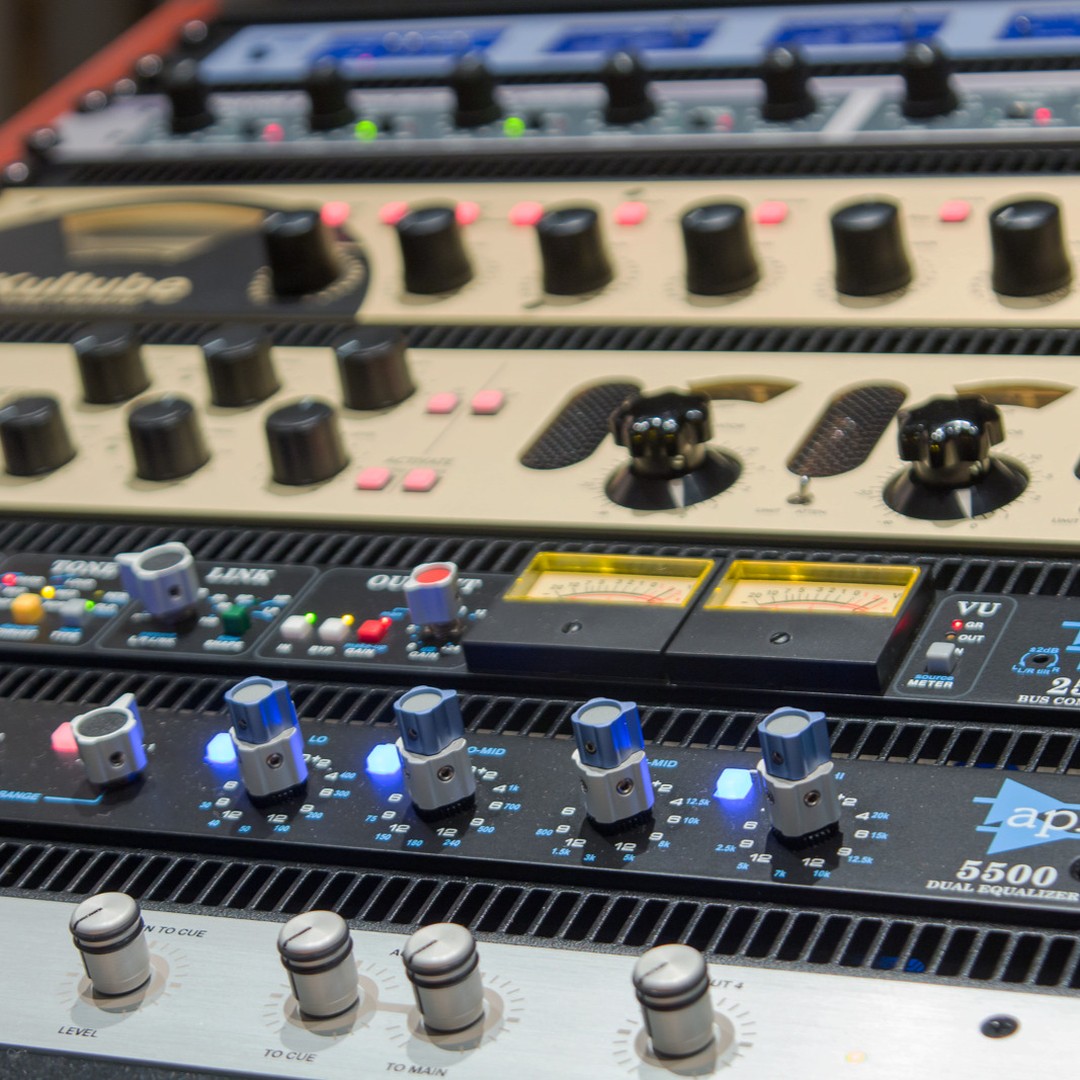
Welcome to Garsų menė, a recording studio of mine! Please stop by at https://www.garsumene.lt. Photography by Paulius Plukas
3 years ago
Welcome to Garsų menė, a recording studio of mine! Please stop by at https://www.garsumene.lt. Photography by Paulius Plukas
3 years ago